×
- Hello
- Login or Register
- Quick Links
- Live Chat
- Track Order
- Parts Availability
- RMA
- Help Center
- Contact Us
- Shop for
- BMW Parts
- BMW Accessories

My Garage
My Account
Cart
Genuine BMW Z4 Brake Disc
Disc Rotor- Select Vehicle by Model
- Select Vehicle by VIN
Select Vehicle by Model
orSeries
Model
Year
Select Vehicle by VIN
For the most accurate results, select vehicle by your VIN (Vehicle Identification Number).
21 Brake Discs found


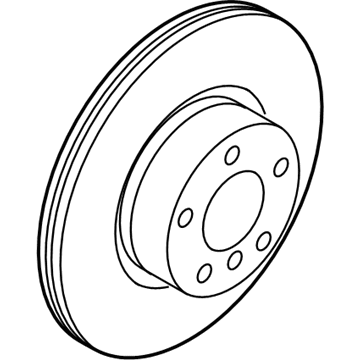

BMW Z4 Brake Disc, Lightweight, Ven
Part Number: 34106880072$151.18 MSRP: $237.67You Save: $86.49 (37%)Ships in 1-3 Business Days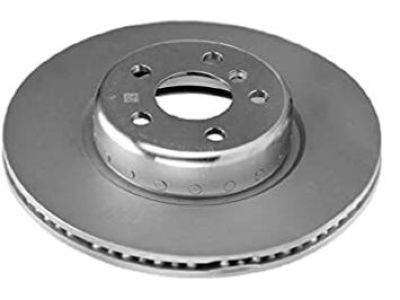


BMW Z4 Brake Disc, Lightweight, Ventilated
Part Number: 34116860907$151.18 MSRP: $237.67You Save: $86.49 (37%)Ships in 1-3 Business Days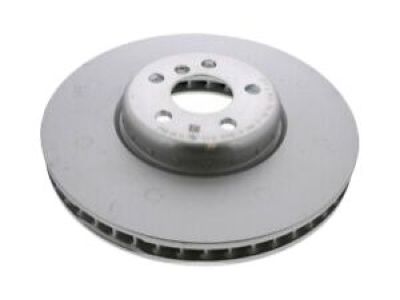
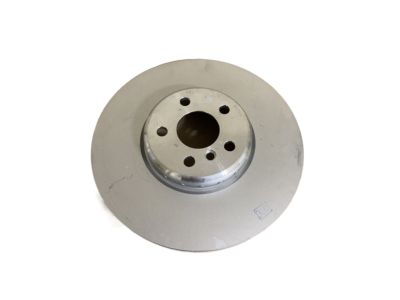

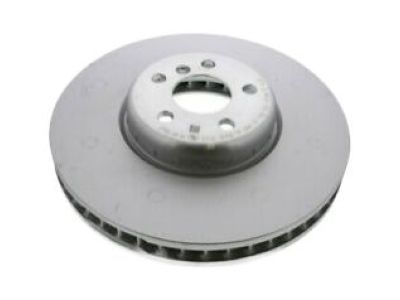
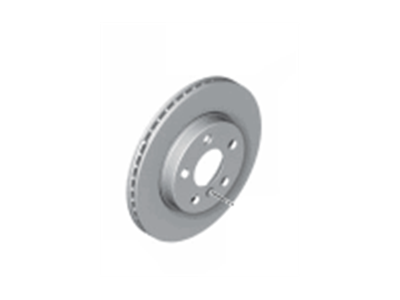
BMW Z4 Brake Disc, Lightweight, Ventilated,Left
Part Number: 34116860911$220.12 MSRP: $346.04You Save: $125.92 (37%)Ships in 1-3 Business Days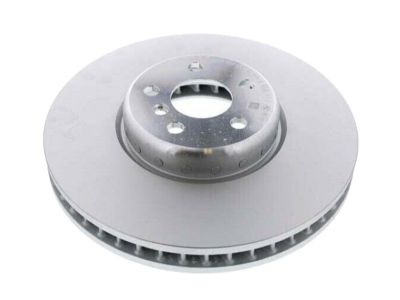
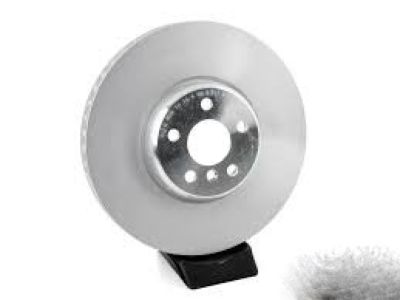

BMW Z4 Brake Disc, Lightweight, Ventilated, Right
Part Number: 34116860912$220.12 MSRP: $346.04You Save: $125.92 (37%)Ships in 1-3 Business Days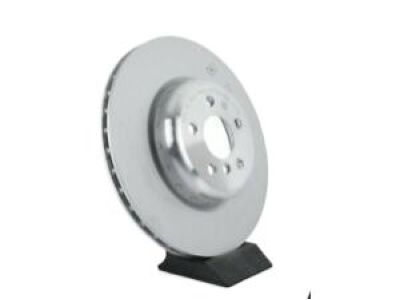
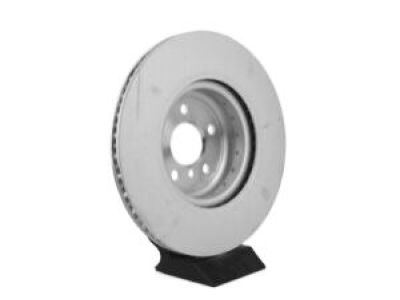

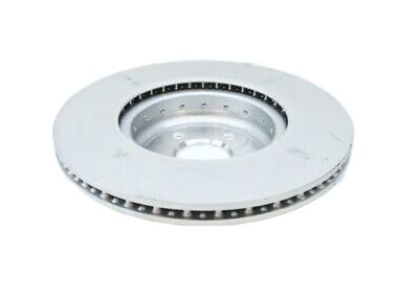


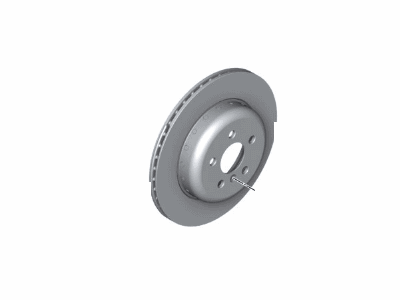
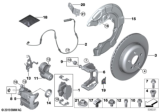
BMW Z4 Brake Disc, Lightweight, Ventilated
Part Number: 34216860925$177.84 MSRP: $279.57You Save: $101.73 (37%)Ships in 1-3 Business Days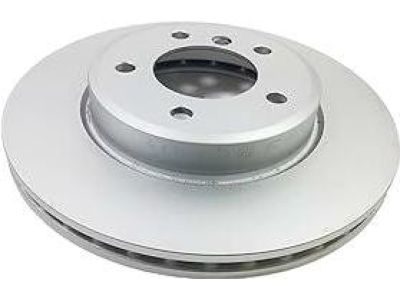

BMW Z4 Ventilated Brake Disc
Part Number: 34116864058$183.19 MSRP: $235.62You Save: $52.43 (23%)Ships in 1-3 Business Days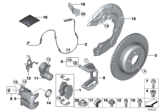
BMW Z4 Brake Disc, Lightweight, Ventilated,Left
Part Number: 34216882245$142.28 MSRP: $223.67You Save: $81.39 (37%)Ships in 1-3 Business Days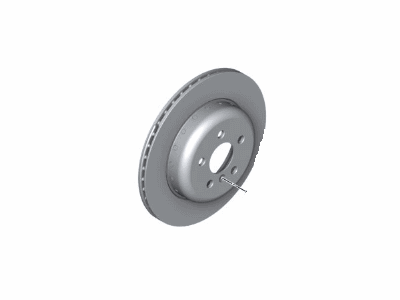
BMW Z4 Brake Disc, Lightweight, Ventilated, Right
Part Number: 34216882246$142.28 MSRP: $223.67You Save: $81.39 (37%)Ships in 1-3 Business Days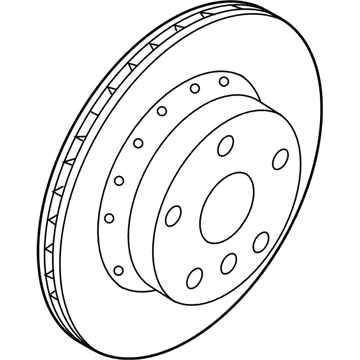

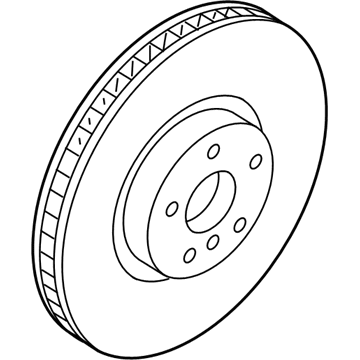

BMW Z4 Brake Disc, Lightweight, Ven
Part Number: 34108858705$220.12 MSRP: $346.04You Save: $125.92 (37%)Ships in 1-2 Business DaysBMW Z4 BRAKE DISK LIGHTWEIGHT VENTI
Part Number: 34108858706$220.12 MSRP: $346.04You Save: $125.92 (37%)Ships in 1-2 Business Days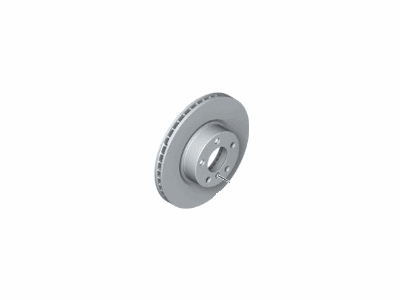
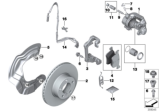
BMW Z4 Brake Disc, Lightweight, Ventilated
Part Number: 34116794427$143.99 MSRP: $226.35You Save: $82.36 (37%)Ships in 1-3 Business Days
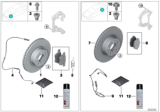
BMW Z4 Ventilated Brake Disc
Part Number: 34216782607$110.24 MSRP: $170.41You Save: $60.17 (36%)Ships in 1-3 Business Days
BMW Z4 Ventilated Brake Disc
Part Number: 34116864047$196.07 MSRP: $252.18You Save: $56.11 (23%)Ships in 1-3 Business Days
BMW Z4 Brake Disc, Lightweight, Ventilated
Part Number: 34116782593$190.05 MSRP: $298.76You Save: $108.71 (37%)Ships in 1-3 Business Days

BMW Z4 Brake Disc, Ventilated, Perforated, Left
Part Number: 34112282871$461.63 MSRP: $598.83You Save: $137.20 (23%)Ships in 1-3 Business DaysBMW Z4 Ventilated Brake Disc
Part Number: 34216782605$99.22 MSRP: $153.37You Save: $54.15 (36%)Ships in 1-3 Business DaysBMW Z4 Ventilated Brake Disc
Part Number: 34116864060$141.20 MSRP: $181.61You Save: $40.41 (23%)Ships in 1-3 Business Days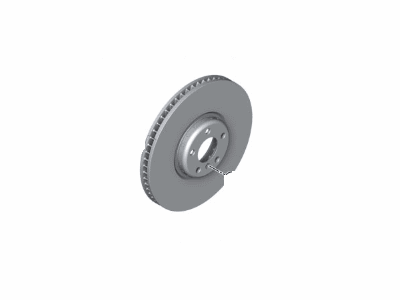
BMW Z4 Brake Disc Ventilated, Perforated, Right
Part Number: 34112282872$461.63 MSRP: $598.83You Save: $137.20 (23%)Ships in 1-3 Business Days
BMW Z4 Brake Disc
Part Number: 34216794306$98.84 MSRP: $135.25You Save: $36.41 (27%)Ships in 1-3 Business Days
| Page 1 of 2 |Next >
1-20 of 21 Results
BMW Z4 Brake Disc
BMW Z4 Brake Disc allows for rapid and fade resistant stopping by applying heat to exposed metal rotors rather than enclosed drums. This design allows for straight and predictable braking. The disc system applied on BMW sports roadsters replaced four wheel drums decades ago because of its open design that runs cooler, automatically adjusts itself, and allows drivers to spot wear without teardown. Across the Z4 timeline, there are two primary rotor styles, both with solid Brake Disc units for everyday cruising and vented versions cast with internal fins that increase airflow in spirited mountain runs. Some track focused Z4 editions even change to a two piece Brake Disc with a lightweight aluminum center to reduce unsprung mass. Later special packages include drilled or slotted faces that allow water and gases to escape for more constant pedal feel, but they may wear pads faster. In all BMW versions, the hydraulic clamp maintains pad to rotor clearance tightly and does not have the pull and long pedal travel problems of drums. Regular resurfacing of the Brake Disc prevents any scarring, cracking, or rusting of the disc so that each BMW Z4 Brake Disc can continue its role of performing at its sharp factory standard.
If you are looking for OEM BMW Z4 Brake Disc, we highly recommend to shop with us. Not only do we offer budget friendly prices, but we also provide fast delivery. In addition, we have a hassle-free return policy on all genuine BMW Z4 Brake Disc that come backed by the manufacturer's warranty.
BMW Z4 Brake Disc Parts Questions & Experts Answers
- Q:What precautions should be followed before starting work on replacing rear brake discs and pads on BMW Z4?Posted by Carolina C.A:Thus, while beginning with work, make sure that you are aware of the correct precautions and the warnings. If one of the discs needs to be changed, then it is better to change both at a time and simultaneously the brake pads. Starting with the front wheels to be securely chocked, the rear end to be lifted on proper jack points and then placed on suitable stands. Lift up the appropriate rear part of the car and expel the parking brake of your car. Look at the disc, if it is badly worn tighten the two bolts which hold the caliper assembly and slide off the disc. Tie the caliper to the rear suspension coil spring using wire or string so that hydraulic brake hose is not a snagging point. If necessary, release the brake hose from the lower connecting fasten for easier working position. Take out the brake disc retaining screw, and draw the rear disc off the hub. Slightly striking the back of the disc with a hide or plastic mallet if the disc is tight, will do the trick. If the Parking Brake Shoes are binding, it should be possible to get the parking brake fully released and turn the parking brake adjustment at least a little counterclockwise to get maximum free play in the cable. Place the head of a screwdriver through one of the wheel bolt holes in the brake disc and turn the adjuster knurled wheel in such a manner that the shoes are retracted and the brake disc can be pulled out. Slide the Brake Caliper mounting bracket back into position, put the disc over the hub, insert the retaining screw and tighten to the recommendation torque. Centre the caliper over the disc and make sure the pads are properly aligned with it, and then tighten the caliper bracket mounting bolts to the recommended torque notice. Change the parking brake shoes and cable, replace the wheel, lower it to the bottom, and tighten the bolts to the prescribed amount of pressure. Lastly, gently and firmly step on the brake pedal several times till the normal pressure and finally make sure whether the parking brake is set to the right position or not.Answered by BMW Parts Specialist Noah / Apr 13, 2025

Related BMW Z4 Parts
 BMW Z4 Brake Line
 BMW Z4 Brake Booster
 BMW Z4 Brake Master Cylinder
 BMW Z4 ABS Control Module
 BMW Z4 Speed Sensor
 BMW Z4 Parking Brake Cable
 BMW Z4 Brake Caliper
 BMW Z4 Parking Brake Shoe
 BMW Z4 Brake Backing Plate
 BMW Z4 Master Cylinder Repair Kit
Browse by Year
2025 Brake Disc 2024 Brake Disc 2023 Brake Disc 2022 Brake Disc 2021 Brake Disc 2020 Brake Disc 2019 Brake Disc 2016 Brake Disc 2015 Brake Disc 2014 Brake Disc 2013 Brake Disc 2012 Brake Disc 2011 Brake Disc 2010 Brake Disc 2009 Brake Disc 2008 Brake Disc 2007 Brake Disc 2006 Brake Disc 2005 Brake Disc 2004 Brake Disc 2003 Brake Disc